5 Min Read
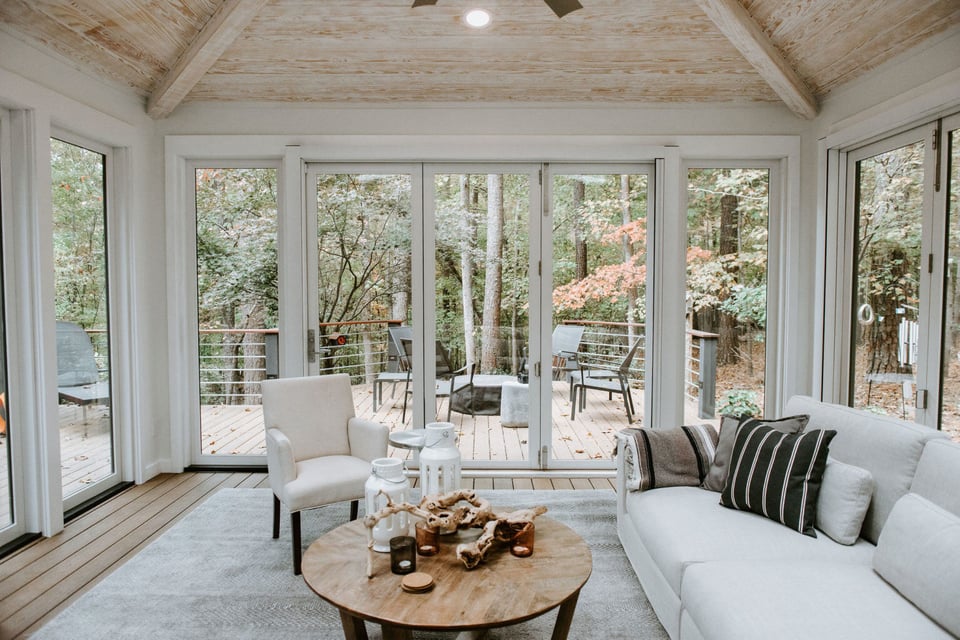
Connecticut’s shoreline is known for its historic towns, charming architecture, and scenic water views. Homes in these areas face constant exposure to salt air, high humidity, and powerful storms that can lead to long-term structural damage. Without proper planning and materials, even well-built homes can suffer from issues like moisture intrusion, rot, and corrosion. Thoughtful coastal home maintenance is essential to preserving both the beauty and durability of any shoreline property.
Planning a coastal home renovation in Connecticut requires more than just good design. Smart material selection, resilient construction methods, and a long-term maintenance strategy all play a role in protecting your home from the elements.
Planning a remodel around Connecticut's Four Seasons can also help homeowners understand how seasonal weather patterns affect renovation schedules, material performance, and long-term home durability. This guide covers the key decisions and solutions that help Connecticut coastal homes stand up to harsh weather while maintaining their character and value.
We will cover:
- Coastal Climate Risks
- Choosing Durable Materials
- Smart Design Strategies
- Windows, Doors, and Roofing
- Foundation and Drainage
- Energy Efficiency Tips
- Storm Prep
- Annual Maintenance
- Coastal Home Remodeling Experts
Understanding Connecticut's Coastal Climate Risks
Living on or near the water means your home faces constant exposure to salt air, wind, and fluctuating moisture levels. Over time, these elements can cause:
- Coastal humidity damage
- Wood rot, mold, and mildew
- Fastener and metal corrosion
- Paint breakdown and siding deterioration
- Roofing wear and leak risks
- Foundation shifting from poor drainage or erosion
Unlike inland properties, Connecticut shoreline home remodels require construction practices and material choices that go beyond standard building codes. A durable, long-lasting home starts with understanding these environmental threats.
Choosing Durable, Weather-Resistant Materials
Choosing the best exterior materials for coastal weather is essential in every project we take on. The wrong materials will quickly deteriorate, while the right ones provide peace of mind and long-term value.
Some of our go-to coastal home exterior materials include:
- Fiber cement siding: Resists rot, pests, and salt corrosion.
- Stainless steel and marine-grade fasteners: Help prevent salt corrosion on siding and structural joints.
- Impact-rated windows and doors: Protect against wind-blown debris.
- Standing seam metal roofing: Durable, wind-resistant, and ideal for storm-resistant remodeling.
We also recommend salt air resistant paint and finishes that offer a strong barrier against UV rays and salt-laden air.
Smart Design Strategies for Wind, Salt, and Moisture
Design plays a huge role in protecting your home. A seasoned design build contractor on the Connecticut shoreline knows how to orient, ventilate, and structure your remodel to naturally resist weather damage.
Some of our coastal-smart strategies include:
- Roof overhangs to reduce siding exposure
- Strategic ventilation and vapor barriers to combat moisture buildup
- Covered entryways and porches to protect doorways
- Designing with airflow in mind to reduce coastal humidity damage
- Rain screen siding systems for better drainage and air circulation
These details make a major difference in long-term coastal home maintenance and performance.
Windows, Doors, and Roofing: Where Protection Matters Most
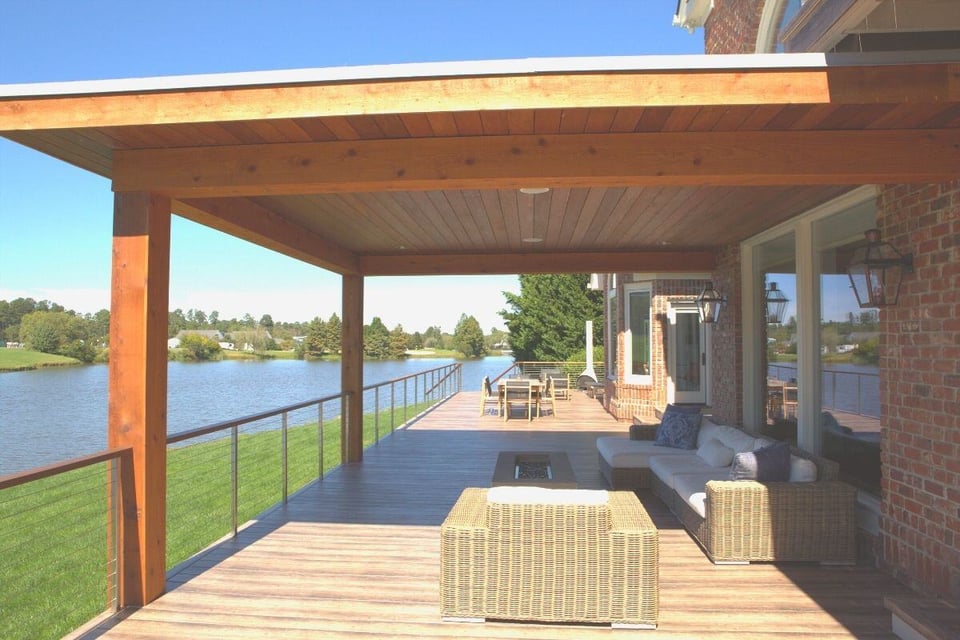
Your windows, doors, and roof are the frontline defense against the elements. These components are often the first to fail during storms or show early signs of weather damage. That’s why storm-resistant remodeling in Connecticut often starts here.
We use:
- Hurricane-rated windows and doors that withstand high winds and airborne debris
- Advanced sealing systems to prevent water and air infiltration
- Flashing and underlayments that extend roof life
- Long-lasting roofing materials for hurricane-proof home design
Your home’s envelope must be tight, durable, and ready to face sudden nor’easters, summer thunderstorms, or even tropical systems.
Foundation and Drainage Considerations Near the Shore
Near-shore properties face increased risks from storm surge, erosion, and groundwater. The right approach to foundation design and drainage is key in coastal construction in Connecticut.
We evaluate every site’s grade, soil conditions, and flood zone status before planning your remodel. Our typical recommendations include:
- Raised foundations or pilings in flood-prone areas
- French drains and dry wells for water redirection
- Sloped landscaping for runoff management
- Waterproofing and sealants for foundation walls
Every home renovation in Essex, CT we take on is built to hold up to the coastal environment from the ground up.
Energy Efficiency and Coastal Insulation Tips
Maintaining comfort inside a Connecticut coastal home takes more than just storm protection. High humidity, salt, and temperature swings make it important to choose the right insulation and energy strategies.
Craft Design + Build incorporates:
- Closed-cell spray foam for superior moisture resistance
- Vapor retarders in wall assemblies
- High-efficiency HVAC systems designed for salty air
- Coastal-rated ventilation systems
Proper insulation not only keeps your home cozy, it helps control humidity, reduces mold risk, and supports overall coastal home exterior maintenance.
Storm Prep: Built-In Resilience for Future Weather Events
With stronger storms becoming more common, built-in resilience is no longer optional for coastal renovation in Essex, CT.
Professional storm damage remodeling often includes:
- Generator-ready electrical systems
- Flood vents and water mitigation systems
- Roof tie-downs and reinforced framing
- Detachable or permanent storm shutters
- Elevated mechanicals and utilities
It is crucial to always take the necessary steps to protect your coastal home before the next big storm, not just after.
Annual Maintenance Tips for Shoreline Homes
Routine upkeep is critical to the longevity of Connecticut coastal homes. Without consistent maintenance, even small vulnerabilities can quickly escalate into significant issues like wood rot, corrosion, or interior water damage.
To help homeowners stay ahead of these risks, we recommend the following annual maintenance checklist tailored to the shoreline environment:
1. Inspect and Clean Roofing Systems
Salt air, wind, and debris can shorten the lifespan of your roofing. Perform a full inspection of shingles or panels, flashing, and sealants at least twice a year, especially after storms. Look for signs of lifting, cracking, or water penetration.
2. Wash and Inspect Siding
Salt buildup on siding can accelerate deterioration and discoloration. Use a low-pressure wash to clean surfaces without damaging finishes. While washing, inspect for warping, cracks, or peeling paint.
If paint is breaking down, apply a fresh coat of salt air resistant paint designed to withstand coastal exposure. This step alone can help prevent salt corrosion on siding and keep your home looking its best.
3. Evaluate Windows and Doors
Windows and doors are common weak points in coastal home exterior maintenance. Check seals, weatherstripping, caulking, and hardware for signs of failure. Lubricate hinges and locks with corrosion-resistant products.
Ensure that all components are functioning properly to prevent drafts, leaks, and pest entry. Upgrading to impact-rated or hurricane-rated units may be necessary during your next coastal home renovation in Connecticut.
4. Clear Gutters and Downspouts
Gutters play a vital role in protecting the foundation by directing water away from your home. In coastal areas, they can become clogged more quickly due to wind-blown debris. Clean gutters at least twice a year and inspect for rust, sagging, or disconnected sections. Improper drainage can lead to erosion, pooling, or even structural damage.
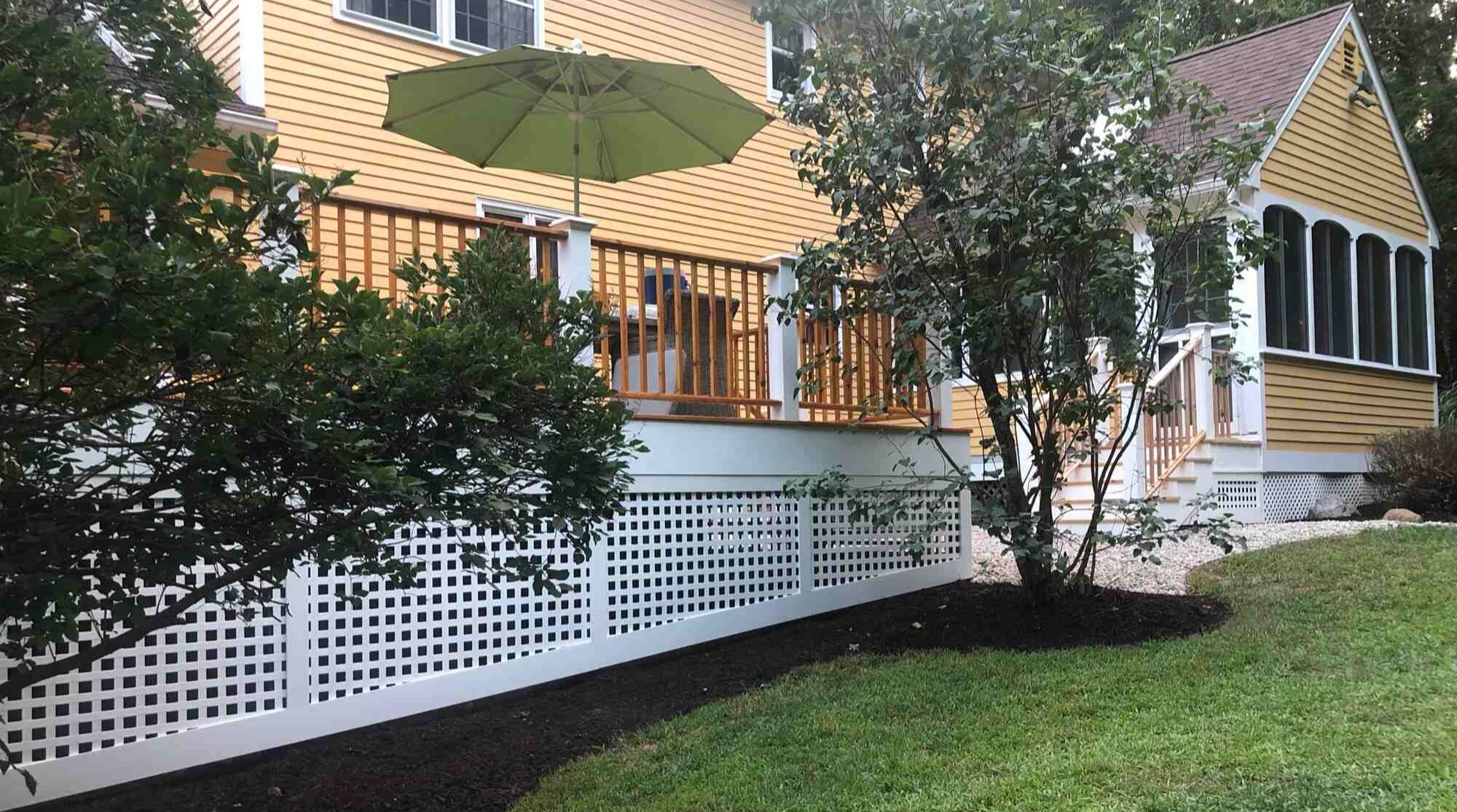
5. Maintain Decks, Railings, and Outdoor Trims
Salt and moisture wreak havoc on exterior wood, even when it’s pressure-treated or sealed. Examine decks and railings for soft spots, loose fasteners, or splintering. Reapply sealant or paint annually using products suited for coastal home exterior materials.
Consider upgrading to composite or marine-grade materials during your next shoreline remodeling project to minimize future upkeep.
6. Check HVAC and Ventilation Systems
Salt air can shorten the lifespan of HVAC components, especially exposed condensers. Schedule annual maintenance to clean filters, coils, and ductwork. Proper ventilation is key to maintaining indoor air quality and protecting finishes from mold and mildew.
7. Monitor Foundations and Drainage
Erosion, shifting soil, and high water tables near the shore can affect foundation stability. Look for signs of cracking, water seepage, or settling. Ensure that landscaping slopes away from the home and that drainage systems such as French drains or dry wells are working properly.
8. Schedule a Professional Inspection
Even diligent homeowners can miss small problems. An annual inspection by a qualified coastal home maintenance contractor in CT can catch issues early, saving thousands in long-term repair costs. This is particularly important after major storms or ahead of hurricane season.
Work with a Coastal Home Remodeling Expert in Connecticut
When it comes to protecting your home from harsh shoreline conditions, experience matters. Craft Design + Build is a trusted design build contractor on the Connecticut shoreline, specializing in high-performance renovations that combine timeless New England style with storm-ready durability. Our team understands the unique demands of coastal home remodeling in Essex, CT and uses only proven materials and methods to ensure your home stands strong for years to come.
Contact Craft Design + Build to start your coastal renovation with a team that knows how to build smart, right where it matters most.